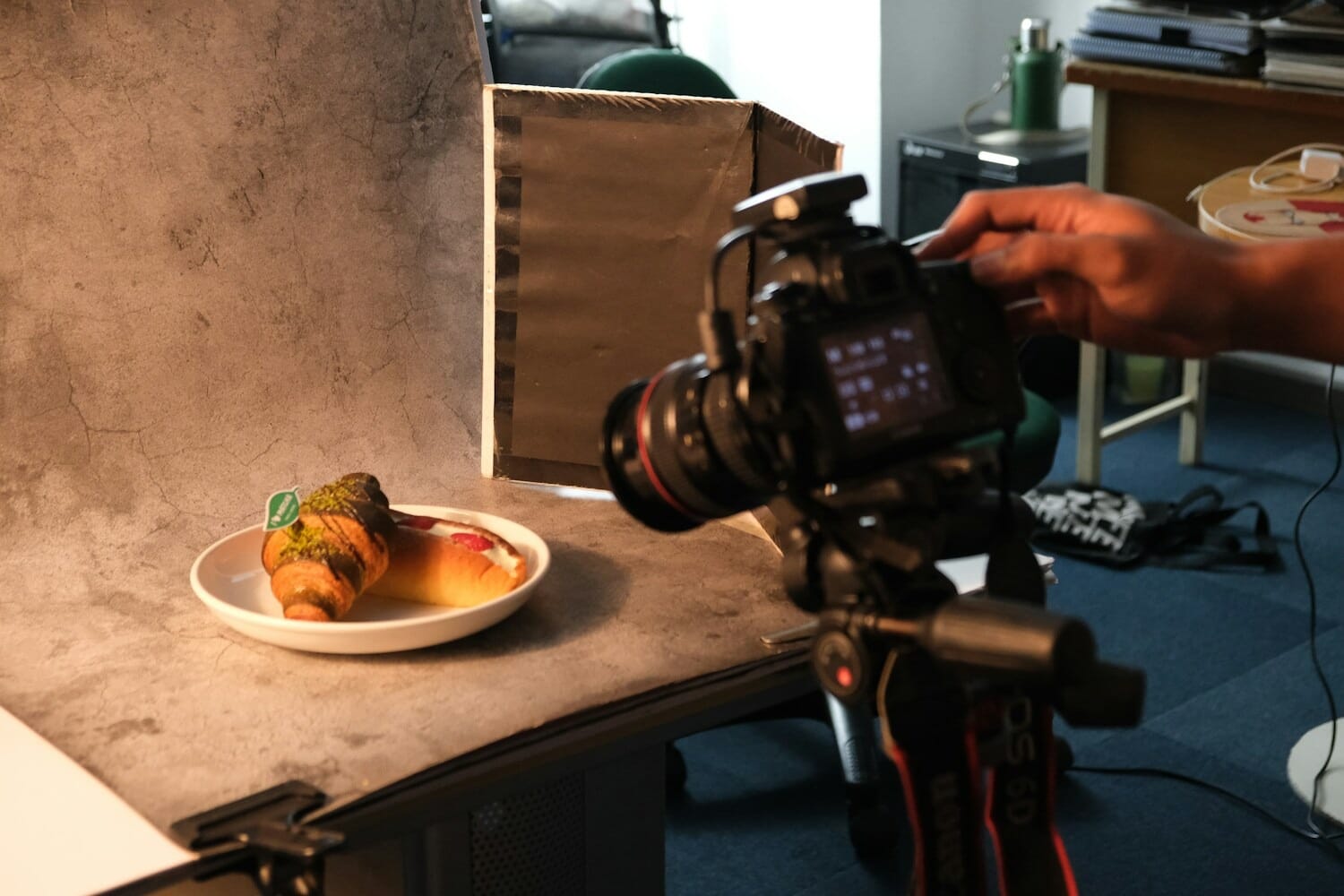
Boost Cravings: 7 Food Photography Tips Your Customers Need
In today's visually-driven world, especially with the dominance of social media platforms like Instagram, the adage "we eat with our eyes first" has never been truer. For any food business, from a cozy cafe to a gourmet restaurant or a home-based baker, stunning food photography isn't just a luxury – it's a necessity. High-quality images don't just showcase your menu; they tantalize taste buds, tell a story, and ultimately drive customer engagement and sales. If your food photos aren't sparking immediate cravings, you're missing a significant opportunity.
Mastering the art of food photography can seem daunting, but with a few essential food photography tips and tricks, you can elevate your visuals from mundane to magnificent. Let's dive into seven actionable strategies that will help your dishes leap off the screen and into your customers' imaginations.
Crafting Visual Stories: The Power of Strategic Styling
Great food photography is about more than just pointing and shooting; it's about creating an entire visual narrative around your dish. Every element in the frame should contribute to the story and highlight the hero – your delicious food.
1. Prop Up Your Plate: Highlighting Ingredients and Narrative
Props are your secret weapon for adding context, texture, and depth to your food photos. Instead of just a lone dish, surround it with carefully selected elements that tell a story about its ingredients, origin, or even the experience of eating it. For instance, if you're photographing a vibrant smoothie, incorporate fresh berries, a scattering of oats, or a rustic wooden spoon to emphasize its healthy, wholesome nature. For a hearty stew, perhaps a linen napkin, a vintage fork, or some crusty bread can evoke a sense of comfort and tradition.
The key is to ensure props support, not overshadow, your main subject. Consider the color scheme of your dish and choose props that complement it without competing for attention. A bright red dish might pair beautifully with muted, earthy tones in your props, ensuring the food remains the focal point. Remember, props are supporting actors, not the stars of the show.
2. Master Your Angles and Focus: Make Your Dish the Star
Just like people have their best angles, so does food. Experimenting with different heights and perspectives is crucial to finding what makes your dish look most appealing. Some dishes, like a beautifully arranged flatbread or a vibrant salad, might shine from a flat lay (overhead) perspective. Others, such as a towering burger or a layered cake, demand a 45-degree angle or even a straight-on shot to showcase their impressive stature and intricate details.
Regardless of the angle, your dish must be the undisputed focus. To achieve this, employ a shallow depth of field, which means blurring the background (the "bokeh" effect). This artistic blur ensures that distractions fade away, directing the viewer's eye precisely where you want it – on your mouth-watering creation. Pay close attention to how much you zoom in; sometimes, a tight shot highlighting a glistening sauce or a perfectly seared edge can be incredibly evocative. Conversely, a slightly wider shot can provide context without losing focus. For more in-depth guidance on finding the perfect shot, explore our article on
Mastering Props & Angles for Irresistible Food Photos.
The Science and Art of Visual Appeal: Light, Color, and Composition
Beyond styling and perspective, the fundamental elements of light and color play a profound role in how your food is perceived. They dictate mood, enhance textures, and create an overall inviting atmosphere.
3. Harness Natural Light: Your Dish's Best Friend
Light is arguably the most vital ingredient in any photograph. It doesn't just determine brightness; it sculpts forms, reveals textures, and sets the entire mood of your image. For food photography, natural light is almost always preferred due to its soft, flattering qualities. Position your dish near a window, allowing the light to come from the side or slightly behind your subject. This side-lighting technique creates subtle shadows and highlights that add depth and dimension, making your food look more three-dimensional and appealing.
Avoid harsh, direct sunlight, which can create strong, unflattering shadows and blow out highlights. If the natural light is too bright, use a sheer curtain as a diffuser to soften it. Conversely, if it's too dim, a white foam board or reflector can bounce light back onto the darker areas of your dish, opening up shadows and adding a lovely glow. Understanding how light interacts with your food is one of the most impactful food photography tips you can implement.
4. Leverage Color Psychology: Create Emotional Connections
Colors evoke emotions and can significantly influence a viewer's response to your food. A broad palette can convey a lively, festive mood, while a more limited color scheme often creates a sense of sophistication, consistency, and a strong emotional connection. When aiming for consistency and visual harmony, restricting your palette to a few complementary colors is highly effective. Too many clashing colors or patterns can make a photo feel cluttered and overwhelm the viewer, making it hard to appreciate the dish itself.
Think about complementary color combinations that make your food pop without stealing the spotlight. Classic pairings like blue and orange, red and green, or purple and yellow can create vibrant contrast. For example, a blue plate can make an orange-hued curry appear even richer. Always ensure that any added colors enhance, rather than detract from, the inherent appeal of your dish. To deepen your understanding of these critical elements, read our article
The Power of Light & Color in Food Photography Aesthetics.
5. Compose for Impact: Beyond Just the Dish
Composition refers to the arrangement of visual elements within your frame. While focusing on the dish is paramount, how you position it relative to props and the frame edges makes a huge difference. Consider the "rule of thirds," placing your dish off-center along imaginary grid lines for a more dynamic and engaging shot. Utilize leading lines – perhaps a piece of cutlery or a baguette – to draw the viewer's eye towards the main subject. Don't be afraid of negative space; the empty areas around your dish can help it stand out and give the image a clean, modern feel.
Beyond the Shot: Branding and Refinement
A great photograph extends beyond the technical aspects; it also needs to align with your brand and be perfectly polished.
6. Consistency is Key: Align with Your Brand Identity
Your food photography is an extension of your brand. Whether it's the specific color palette, the style of props, the overall mood (e.g., rustic, minimalist, luxurious), or even the editing style, consistency across all your visuals is paramount. Staying true to your brand identity ensures that your business is instantly recognizable and memorable across all marketing channels, from your website to social media posts and promotional materials. Consistent branding builds trust and reinforces your unique selling proposition in the minds of your customers.
7. Polish to Perfection: The Art of Post-Processing
Even the best-shot photograph can benefit from a little post-processing. Basic editing can make a good photo great by fine-tuning elements like exposure, contrast, white balance, and saturation. A slight boost in contrast can make textures more pronounced, while a touch of sharpening can make crisp details pop. Adjusting the white balance ensures that the colors in your food appear natural and true to life, avoiding any unappetizing color casts. Even minor adjustments can transform your images, making them more appealing and professional.
Conclusion
Exceptional food photography is an indispensable tool for captivating your audience and igniting their cravings. By applying these seven essential food photography tips – from strategic prop styling and mastering angles to harnessing natural light, leveraging color psychology, composing for impact, maintaining brand consistency, and refining your shots through post-processing – you can create images that not only showcase your dishes but tell a compelling story. Invest time in honing these skills, and watch as your delicious creations leap from the screen, tempting customers to experience your culinary delights firsthand.