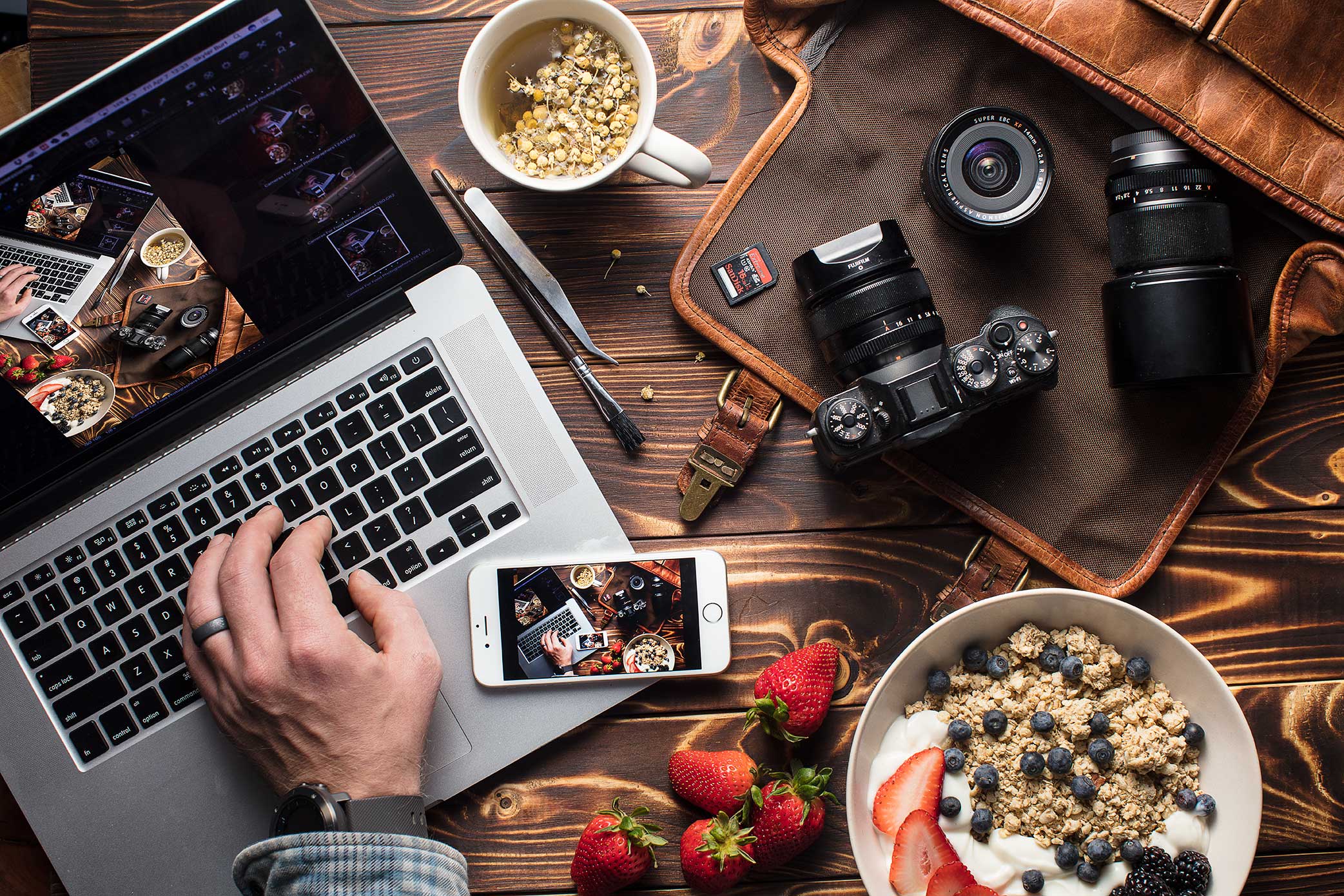
Mastering Props & Angles for Irresistible Food Photos
In today's visually-driven world, a captivating food photograph is more than just an image – it's an invitation, a story, and often, the first bite with the eyes. Whether you're a professional chef, a home baker, a restaurateur, or a passionate food blogger, understanding the nuances of food photography is essential for making your dishes truly shine. While many elements contribute to a stunning shot, two foundational food photography tips that can dramatically elevate your results are the strategic use of props and the masterful selection of angles. Forget bland, uninspired snapshots. This comprehensive guide will delve deep into how you can transform your food photos into irresistible visual feasts, moving beyond basic principles to embrace advanced techniques in prop styling and compositional angles.The Art of Strategic Prop Styling in Food Photography
Props in food photography are not mere decorative elements; they are powerful storytelling tools that can enrich your narrative, highlight your dish's unique qualities, and evoke a desired mood. When used thoughtfully, props can transport your viewer, offering context and adding layers of visual interest that make your main subject – the food – even more compelling. Think about the essence of your dish. Does it hail from a particular region? Does it feature a signature ingredient? Utilizing props that hint at these origins or ingredients can significantly boost your photo's appeal. For instance, if you're photographing a vibrant burrito, don't just present the finished product. Consider arranging a fresh, halved lime beside it, perhaps some scattered cilantro, or even a hint of a chili pepper – elements that explicitly or implicitly highlight its fresh, zesty ingredients. This instantly creates a more dynamic and informative image. However, the key is discretion. While props are supportive, they should never overshadow your culinary creation. Here's how to master prop styling:- Tell a Story: Each prop should contribute to a cohesive narrative. Are you depicting a cozy breakfast scene, a rustic farm-to-table meal, or an elegant fine dining experience? Let your props reinforce this theme.
- Highlight Ingredients: As seen with the burrito example, raw or complementary ingredients can visually explain what makes your dish special. A scattering of fresh herbs, a drizzle of olive oil, or a few whole spices can add authenticity and appeal.
- Consider Textures and Materials: Introduce varying textures to add depth and visual interest. A rough linen napkin, a smooth ceramic plate, a rustic wooden cutting board, or an aged metal utensil can create a tactile richness that makes the image more engaging.
- Mind the Color Scheme: Your props should complement, not compete with, your dish's colors. Avoid props with overly loud patterns or dominant colors that might divert attention. Generally, muted, neutral tones work best as a backdrop, allowing the food's natural colors to pop. If you introduce a complementary color, use it sparingly as an accent.
- Balance and Composition: Arrange props in a way that guides the eye towards the main dish. Utilize the rule of thirds or other compositional guidelines. Don't clutter the frame; negative space is just as important as the elements within it. Remember, your dish is the star; props are its loyal supporting cast.
Mastering Angles: Finding Your Dish's Best Side
Just as people have their "best side," so too do dishes. Experimenting with different camera angles and heights is one of the most impactful food photography tips you can employ. The right angle can emphasize height, texture, or intricate details, transforming a flat image into a three-dimensional sensory experience. Different dishes naturally lend themselves to specific angles. Understanding these can help you capture your food's most appealing characteristics:- The Overhead Shot (Flat Lay):
Taken directly from above (90 degrees), this angle is fantastic for showcasing dishes with many components, vibrant toppings, or beautiful patterns. Think pizzas, pasta bowls, intricate salads, or a spread of breakfast items. It’s also excellent for demonstrating symmetry and creates a clean, graphic look, perfect for social media feeds. When shooting overhead, ensure all elements within the frame are appealing and intentionally placed, as nothing is hidden.
- The 45-Degree Angle (Tabletop/Eye-Level):
This is arguably the most common and versatile angle, mimicking how we naturally view food when sitting at a table. Taken from roughly the same height as the diner, it excels at showing off depth, layers, and the general "appetite appeal" of a dish. Burgers with their towering ingredients, stacked pancakes, elegant cakes, and most plated meals look fantastic from this perspective. It allows you to introduce subtle background elements while keeping the focus firmly on the food.
- The Straight-On/Close-Up Angle:
Shot directly at eye level (0 degrees) or even lower, this angle is perfect for emphasizing height, texture, and mouth-watering details. It’s ideal for drinks, towering desserts, stacked sandwiches, or capturing the glorious layers of a lasagna. A macro or close-up variation of this angle can hone in on a specific element – the glistening crust of a pie, the melting chocolate, or the intricate details of a garnish. This is where you can truly highlight the "hero" ingredient or the most alluring part of your dish. When using this angle, pay close attention to depth of field; blurring the background (bokeh) helps the main subject stand out dramatically.
Weaving in Color and Brand Identity
Beyond props and angles, the conscious use of color and the consistent projection of your brand identity are pivotal for truly irresistible food photos. Colors evoke emotions and set the mood. A wide range of colors might convey a festive or abundant mood, while a limited, carefully chosen palette can create a strong emotional response and a sense of sophisticated consistency. Consider the psychological impact of colors:- Warm Colors (reds, oranges, yellows): Often associated with warmth, comfort, and energy. Red can stimulate appetite, while yellow suggests happiness.
- Cool Colors (blues, greens, purples): Can create a sense of calm or freshness. Green often signifies health and nature.
